Posted
21st March 2017
Research
A randomised controlled study with a clinical outcome compared the impact of chlorhexidine, octenidine, and povidone iodine used for cutaneous antisepsis for preventing line infections associated with intravascular catheters. Chlorhexidine knocked spots off the competition, with patients randomised to chlorhexidine significantly less likely to develop line-relates sepsis or bacterial contamination when compared with octenidine or povidone iodine.
57 patients were randomised to either 4% chlorhexidine gluconate, octenidine hydrochlorodine, or 10% povidone iodine for cutaneous antisepsis prior to insert and during the use of intravascular cathethers. 1 in 10 patients randomised to octenidine and povidone iodine developed cathether-related sepsis, compared with none in the chlorhexidine group (p<0.001) (see Table below). Also, catheter-related colonisation occurred in 26% of patients in the povidone iodine group, 21% in the octenidine group, and none of the patients in the chlorhexidine group. Importantly, there were no significant differences between baseline characteristics of the patients randomised to the three different antiseptics.
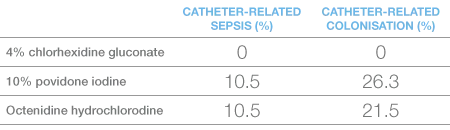
Table: Clinical outcomes associated with 57 patients randomised to three difference cutaneous antiseptics.
This study supports the use of chlorhexidine as the antiseptic of choice for preventing catheter-line associated infections.
SHARE THIS ARTICLE







Tags
Latest News

GAMA Healthcare expands Rediroom fleet with additional order for Midlands Trust
GAMA Healthcare has secured an order for 8 more Redirooms,…

News from the front line: GAMA Healthcare partners with leading Midlands Trust to enhance air quality across two sites
GAMA Healthcare is pleased to announce a significant investment from…

Celebrating 20 Years of GAMA Healthcare: Our Story
This month, GAMA Healthcare celebrates 20 years of helping prevent…

Norovirus: Understanding its transmission and prevention in the UK
Introduction Norovirus is recognised as the leading cause of viral gastroenteritis…