Posted
17th April 2020
Research
For the past three weeks (is it really only three weeks?) and for at least three weeks to come (with the expectation of more), we have been socially distancing in the UK. This means working from home where possible, and only leaving your home when necessary to exercise (once per day), buy food or access healthcare.
So how exactly is this helping to slow the spread of COVID-19? A helpful news article here provides a clear summary. Each infectious disease has a “basic reproductive number” (R0), which is the number of susceptible people that would become infected from a case if no control measures were in place. For COVID-19, R0 is somewhere between 2 and 3 – meaning that for each case, between 2 and 3 people would become infected if no control measures were in place. If R0 is greater than 1, a disease will spread through a population, whereas if it’s less than 1, a disease will not spread through a population. R0 for other infectious diseases vary – from 2 for something like Ebola to 18 for measles. The aim is to modify the reproductive number so that the “effective reproductive number” (Re) is less than 1.
Some alarming modelling work performed by Imperial College London back in March suggested that if nothing was done and the UK remained on its current trajectory, hospitals would be overwhelmed and many, many people (around 250,000) would lose their lives. This modelling work was one of the key pieces of evidence that prompted the social distancing measures that we’re all living through. The early evidence suggests that these social distancing measures have been effective in preventing the NHS from becoming overwhelmed, and the virus seems to be reaching a peak in the UK (as in other countries).
So why has the government announced a three week extension to the social distancing? With a possibility of more to come? Well, whilst it’s great news that the virus has peaked in the UK, the expectation is that once the social distancing measures have been lifted, exponential transmission will begin again (put another way, Re has been suppressed only temporarily). The consensus is that COVID-19 will only be controlled in the long term through mass vaccination – and a vaccine is probably at least 12 months away! So, until then, we are likely to have some sort of social distancing in place – but probably not a full lockdown. It seems that social distancing and COVID-19 will be the “new normal” until a vaccine comes along.
SHARE THIS ARTICLE







Tags
Latest News
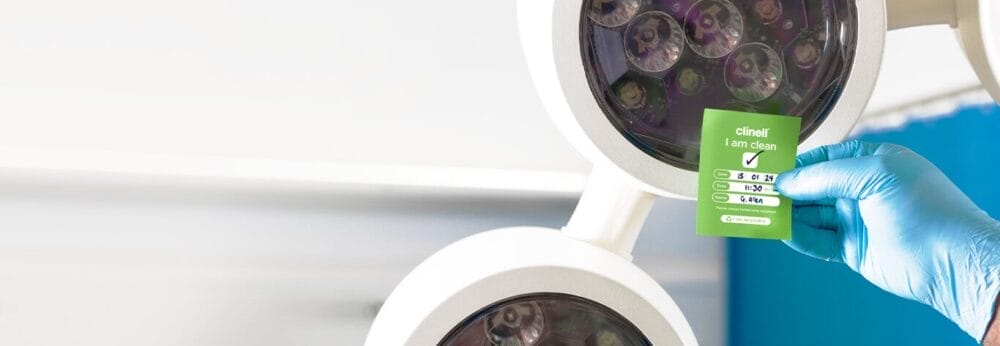
Embracing sustainability and cost savings: The journey of Clinell Indicator Notes to paper-based solutions
At GAMA Healthcare, we’ve always prided ourselves on being at…

Introducing HEXI HUB: A seamless transition in our product line
We’re pleased to announce an update to our product offering…
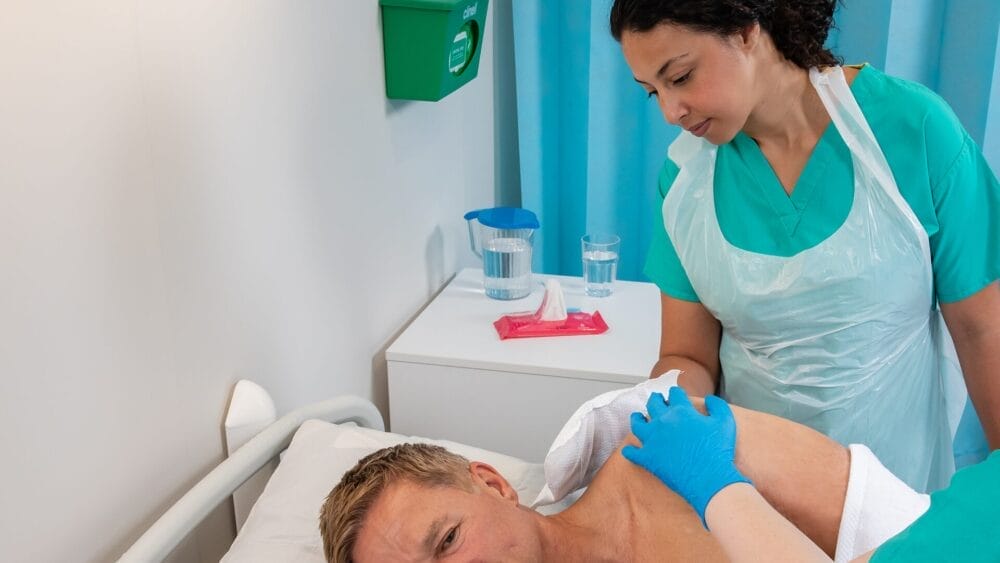
Innovative solutions for tackling Carbapenemase-producing Enterobacteriaceae (CPE) at King’s College Hospitals
King’s College Hospital NHS Foundation Trust, one of London’s largest…
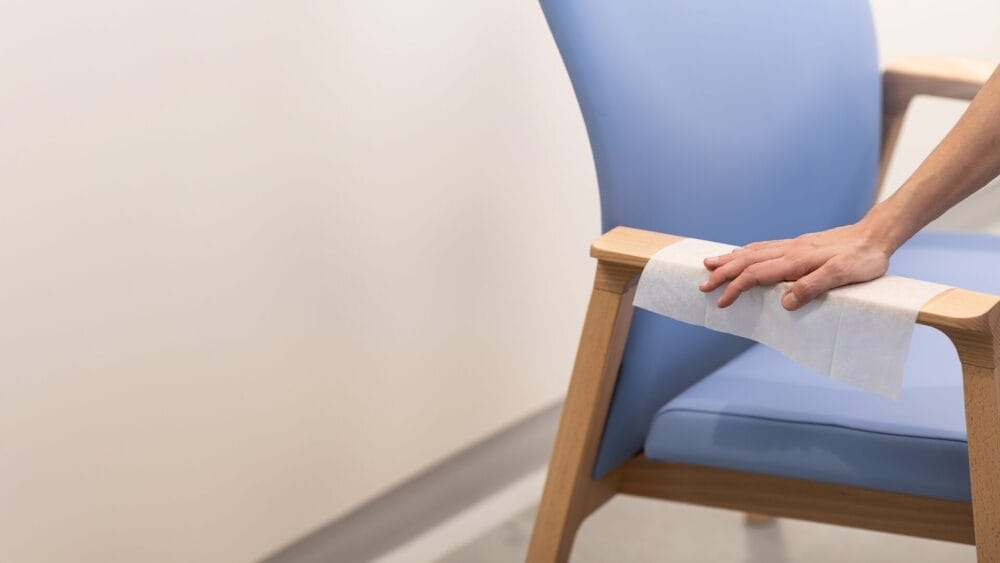
Gloves Off: reducing unnecessary plastic waste during environmental cleaning and disinfection
In this blog, Dr Phil Norville discusses the momentum-gaining ‘Gloves…