Posted
18th July 2017
Research

A recent JHI study highlights both the promise and limitations of self-disinfecting surfaces. The study evaluated the efficacy of five different self-disinfecting surfaces against S. aureus under simulated real-life conditions. The small antimicrobial effects noted initially disappeared once most of the surfaces began being cleaned using alcohol wipes!
The team examined the efficacy of five self-disinfecting surfaces: a micro-patterned film (based on Shark skin to reduce bacterial adhesion), and four surfaces dosed with antimicrobial agents: zinc molybdenum (ZM), polyguanidin silica (PS) and two based on membrane-active polycations (maPK-I and maPK-a). A bacterial load of 8-log cfu was applied and then dried, before being sampled at 15 mins and 3 hours using contact plates. Only the MP, maPK-I and maPK-a based surfaces resulted in a reduction in bacterial contamination. The antimicrobial impact of MP and maPK-i disappeared after a single disinfection cycle, so were not stable enough to be useful. However, the maPK-a surfaces continued to exhibit an antimicrobial impact but only up to 19 disinfection cycles.
The inoculum used in the study was rather high (at 8-log), and probably not representative of the real-life environment, where contamination levels are usually lower. Also, the first exposure point tested was 15 minutes, whereas more rapid activity would be a favourable characteristic for a self-disinfecting surface: after all, how long does it take for a transmission to occur? Finally, the study only included S. aureus and, importantly, did not include C. difficile spores; sporicidal activity would be a huge plus for a candidate self-disinfecting surface.
The study used copper alloy surfaces as a control group, and based on these results, copper surfaces remain the prime candidate for antimicrobial surfaces. However, installing copper alloy surfaces is expensive, not suitable for all surfaces / equipment, and may not be durable in the clinical environment. Therefore, further development is required to achieve a low cost, high efficacy, durable self-disinfecting surface suitable for use in the clinical environment.
SHARE THIS ARTICLE







Tags
Latest News
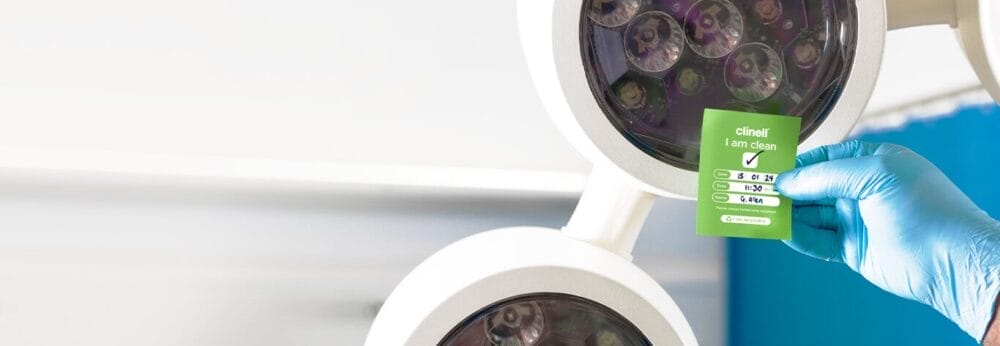
Embracing sustainability and cost savings: The journey of Clinell Indicator Notes to paper-based solutions
At GAMA Healthcare, we’ve always prided ourselves on being at…
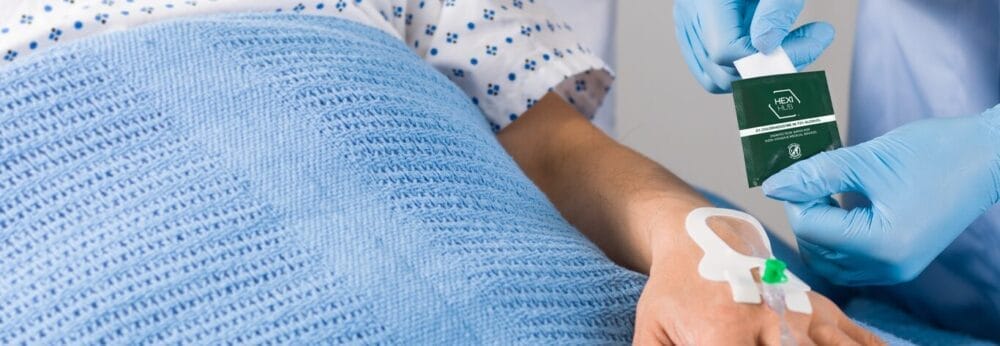
Introducing HEXI HUB: A seamless transition in our product line
We’re pleased to announce an update to our product offering…
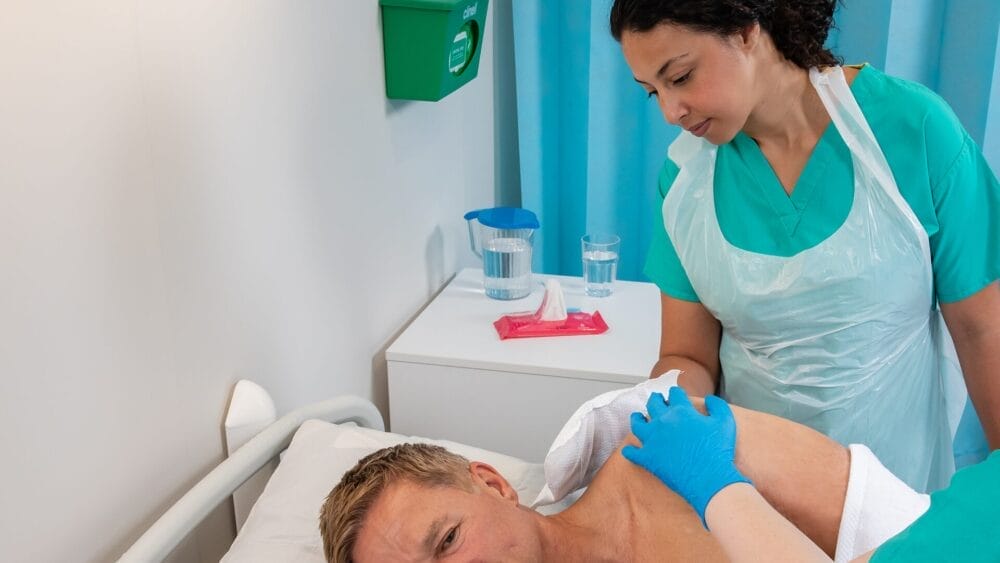
Innovative solutions for tackling Carbapenemase-producing Enterobacteriaceae (CPE) at King’s College Hospitals
King’s College Hospital NHS Foundation Trust, one of London’s largest…
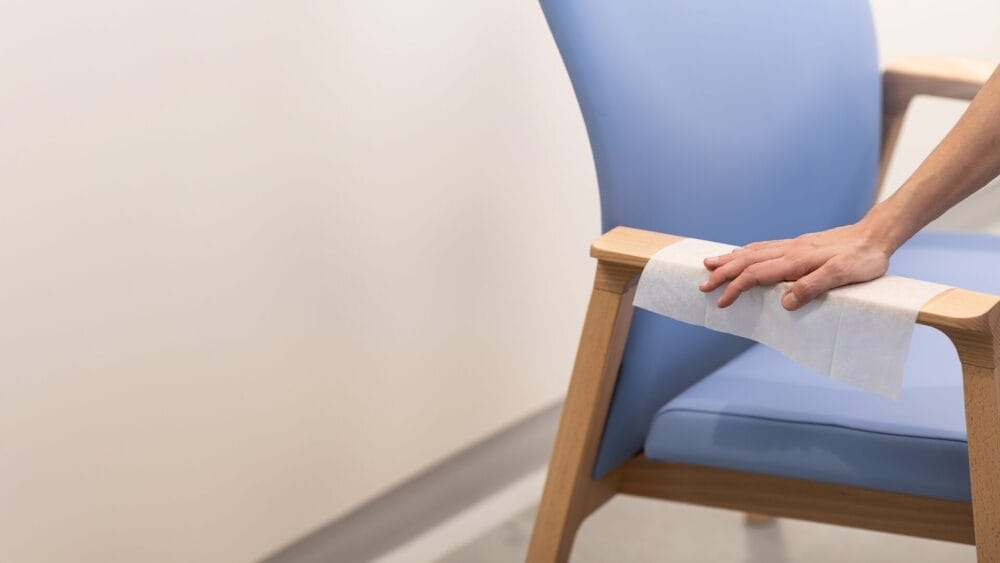
Gloves Off: reducing unnecessary plastic waste during environmental cleaning and disinfection
In this blog, Dr Phil Norville discusses the momentum-gaining ‘Gloves…